Publication Watch: 2026 So Far
From lymphoma liquid biopsies to wasp venom, six 2026 studies show how qEV columns, the AFC and the Exoid helped researchers isolate and characterise EVs.
Read more

Keep up with the latest Extracellular Vesicle, Virus and Nanomedicine news and research publications.

When EVs meet Alzheimer’s disease – exploring this fascinating area of research in light of World Alzheimer’s Month 2021.

Notes from a conversation with Assistant Professor Stephanie Jung, University Hospital of Bonn (Germany), who separated Hepatitis B and antibodies from EVs to enable functional EV-virology studies.

After an encounter with a not-for-profit organisation raising scientific literacy in NZ, Izon Science would like to share their story in the hope of garnering further support for the House of Science.

Sharing the story of France-based researcher Dr Gwennan André-Grégoire, who is working on unravelling the EV-related pathophysiology of glioblastoma multiforme.
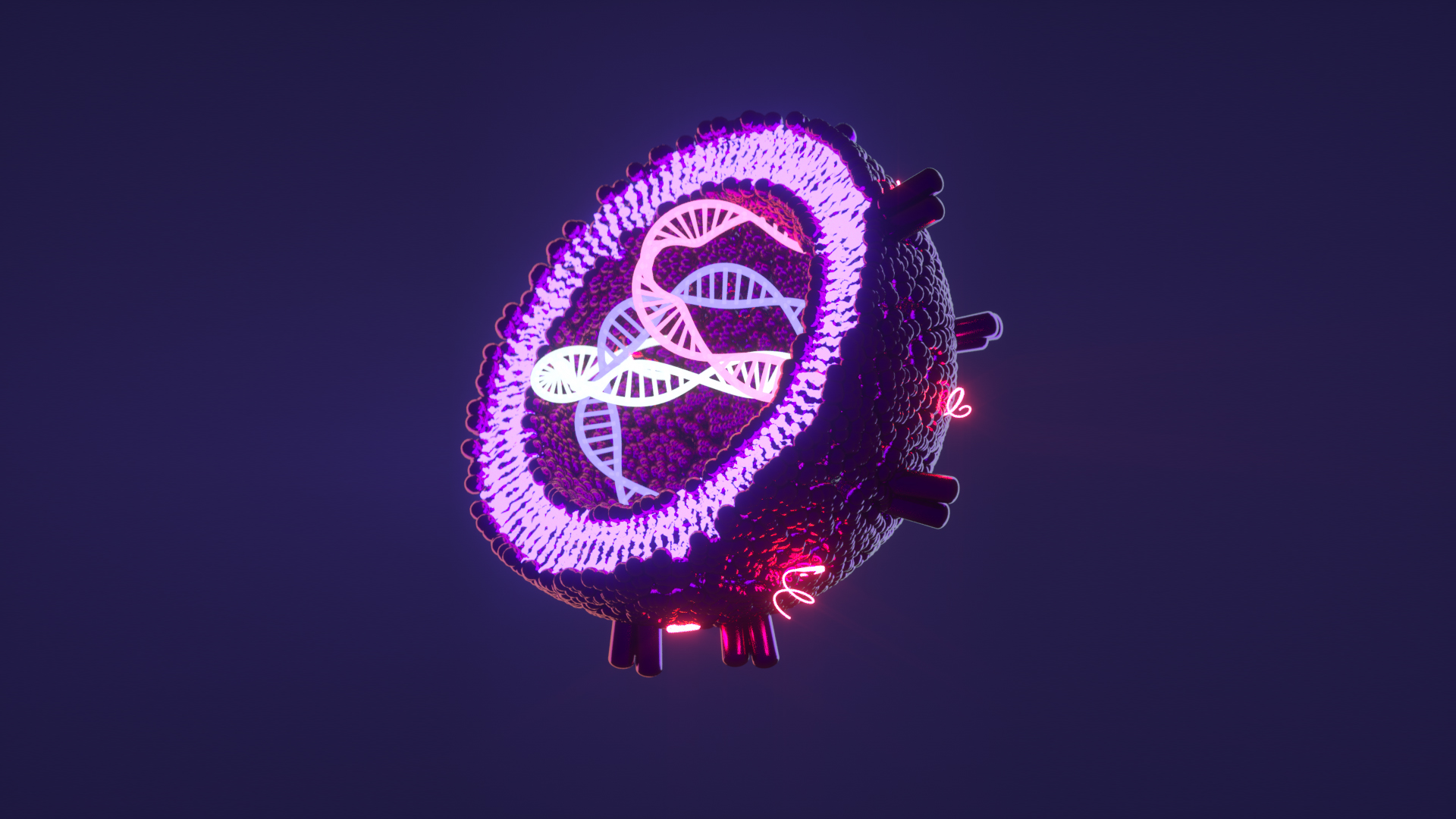
Four reasons why storage conditions matter to the world of extracellular vesicle research.

An optimised, clinically relevant method for proteomic analysis of plasma EVs, featuring qEV isolation, is now documented in Cell Reports Methods.

Izon Science has recently executed a Product Development Agreement with BCAL Diagnostics.

On World Hepatitis Day 2021, we explore how researchers are pursuing extracellular vesicles as a way to improve outcomes for people with hepatitis.

A summary of work by Caputo et al (2021) who conducted a side-by-side comparison of ten analytical techniques for the characterisation of nanoplastics and microplastics.

BCAL Diagnostics is now listed on Australia’s sharemarket, the ASX. Izon Science and BCAL are co-developing the EV purification process for BCAL’s novel breast cancer test.

Key points from the fourth and final ISEV 2021 plenary talk by Jean Gruenberg, who discussed his group’s recent studies of tetraspanin sorting, endosomal membrane tension and ILV formation.
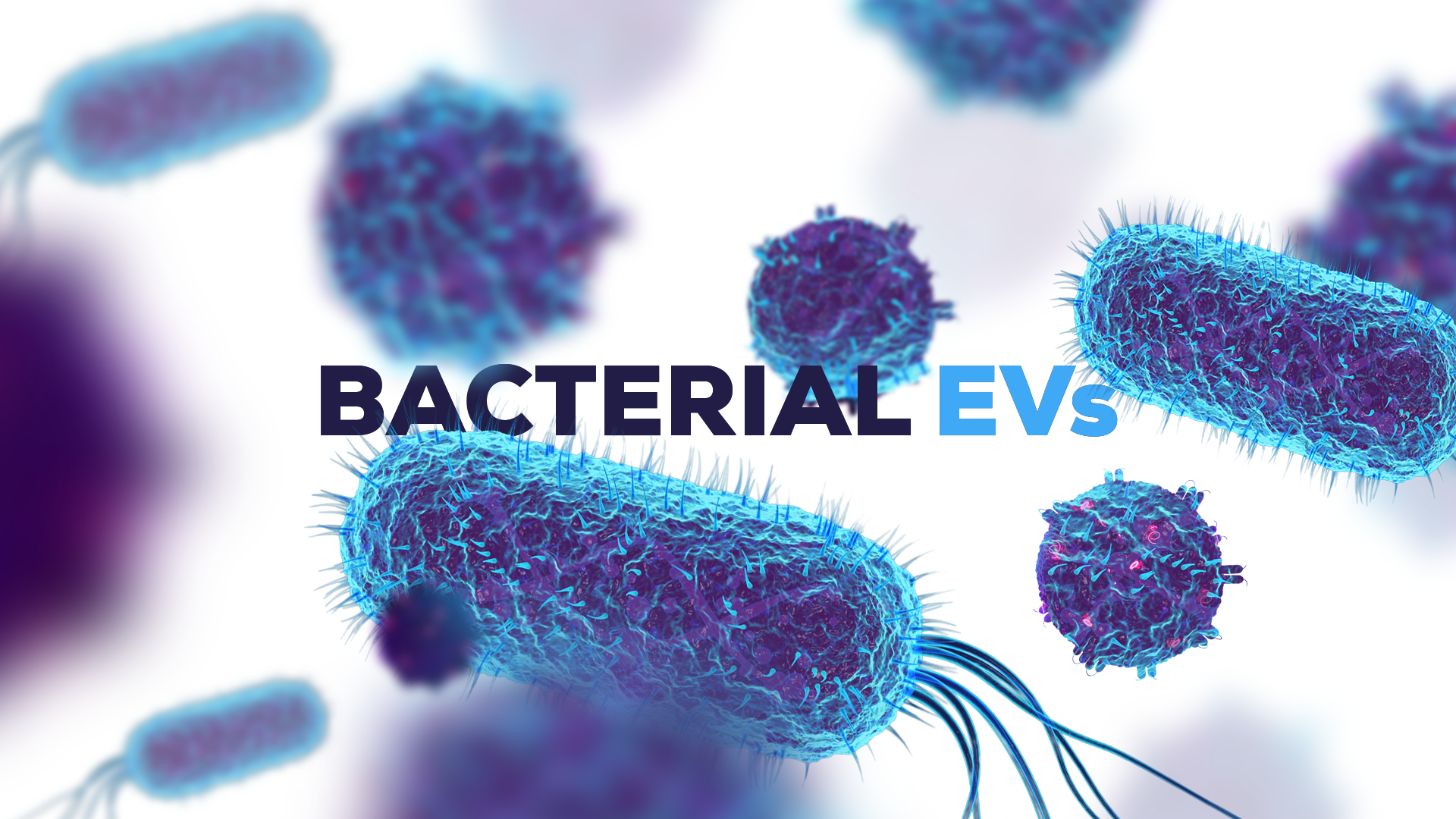
Highlights from the third ISEV 2021 plenary talk by Simon Carding, University of East Anglia, who discussed bacteria-derived EVs, their dynamics in the gut and their potential as drug delivery vehicles.


