qEV ISOLATION PLATFORM
Higher-Purity Extracellular Vesicle Isolation. Built to Scale.
The qEV Isolation platform sets the standard for EV purification – now extended to LNPs and beyond, with the precision, scalability and bioprocessing expertise your application demands.
Unmatched separation
Our exclusive resin and carefully optimised qEV columns deliver highly pure isolates.
Quality that scales
Process 150 µL through to thousands of litres, with a level of quality that is maintained with increased throughput.
Backed by deep expertise
Draw on 30+ years of bioprocessing experience to fast-track your isolation workflow development.
Gentle, Size-Based Separation – Built for EVs
qEV columns isolate extracellular vesicles by size exclusion chromatography (SEC). As your sample flows through the porous resin, larger particles like EVs pass around the beads and elute first, while proteins detour through the small resin pores and trail behind.
Particles stay intact, as separation is achieved gently under gravity, without high centrifugal or shear forces.
From EVs and exosomes to LNPs, the qEV platform supports a range of particle sizes and sample volumes.
More Than Your Average SEC Column
The exclusive Gen 2 resin used in qEV columns has been optimised for superior EV-protein separation and maximal purity. Alongside that, column manufacturing has been refined for greater consistency and quality. That translates to:
- Unmatched plasma EV purification
- Purified isolates derived from cell culture media, milk, CSF, urine and more
- Removal of unbound labels and other impurities, alongside significant lipoprotein removal
- cGMP-ready columns available on request
Maximum Purity or Maximum Recovery? Your Choice.
Distinguished by the pore size of the resin used – 20 nm, 35 nm, and 70 nm – each produces isolates with distinct characteristics.
MAXIMUM RECOVERY
MAXIMUM PURITY
20nm
PORE-SIZE SERIES
Optimum range 20–100 nm.
Reaches sub-50 nm particles like exomeres and small viruses.
35nm
PORE-SIZE SERIES
Optimum range 35–400 nm.
The balanced default, popular for cell-culture EVs.
70nm
PORE-SIZE SERIES
Optimum range 70–2000 nm.
Highest lipoprotein depletion, ideal for plasma EV biomarkers.
A Platform That Scales With You
EV workflows grow in two directions, demanding either more samples or larger volumes. The qEV platform scales to meet both.
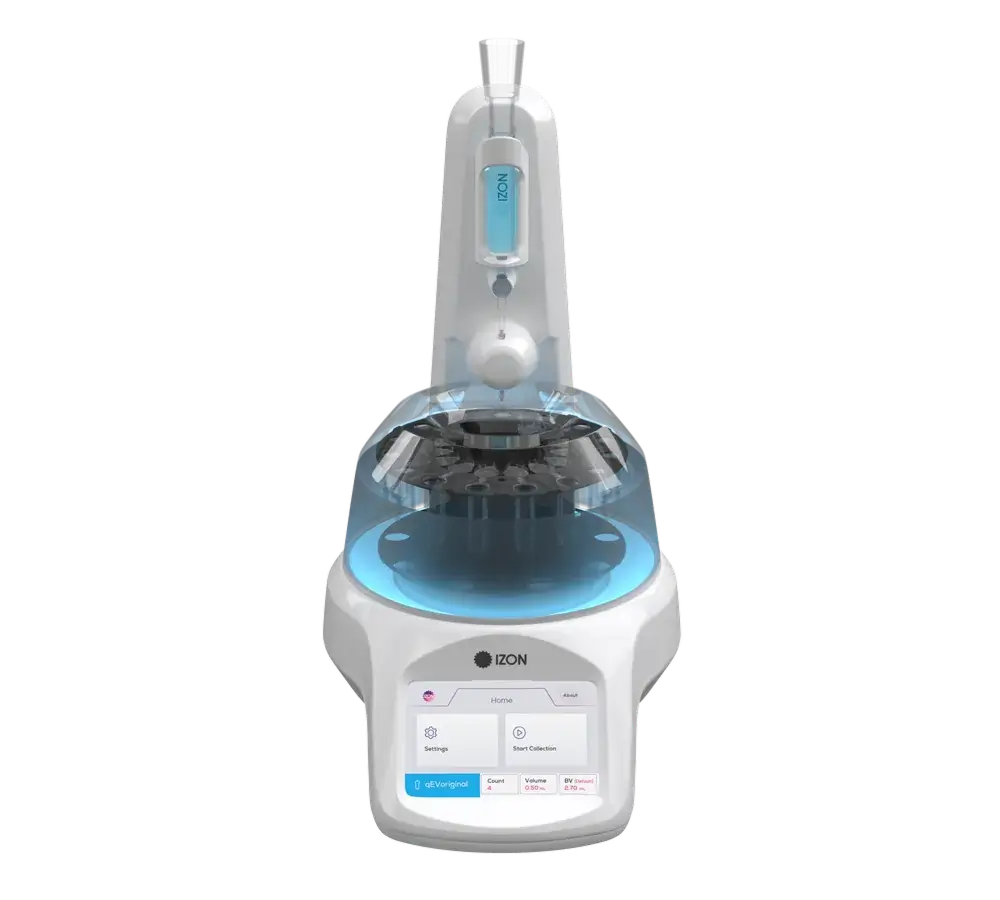
The AFC
AUTOMATE & OPTIMISE
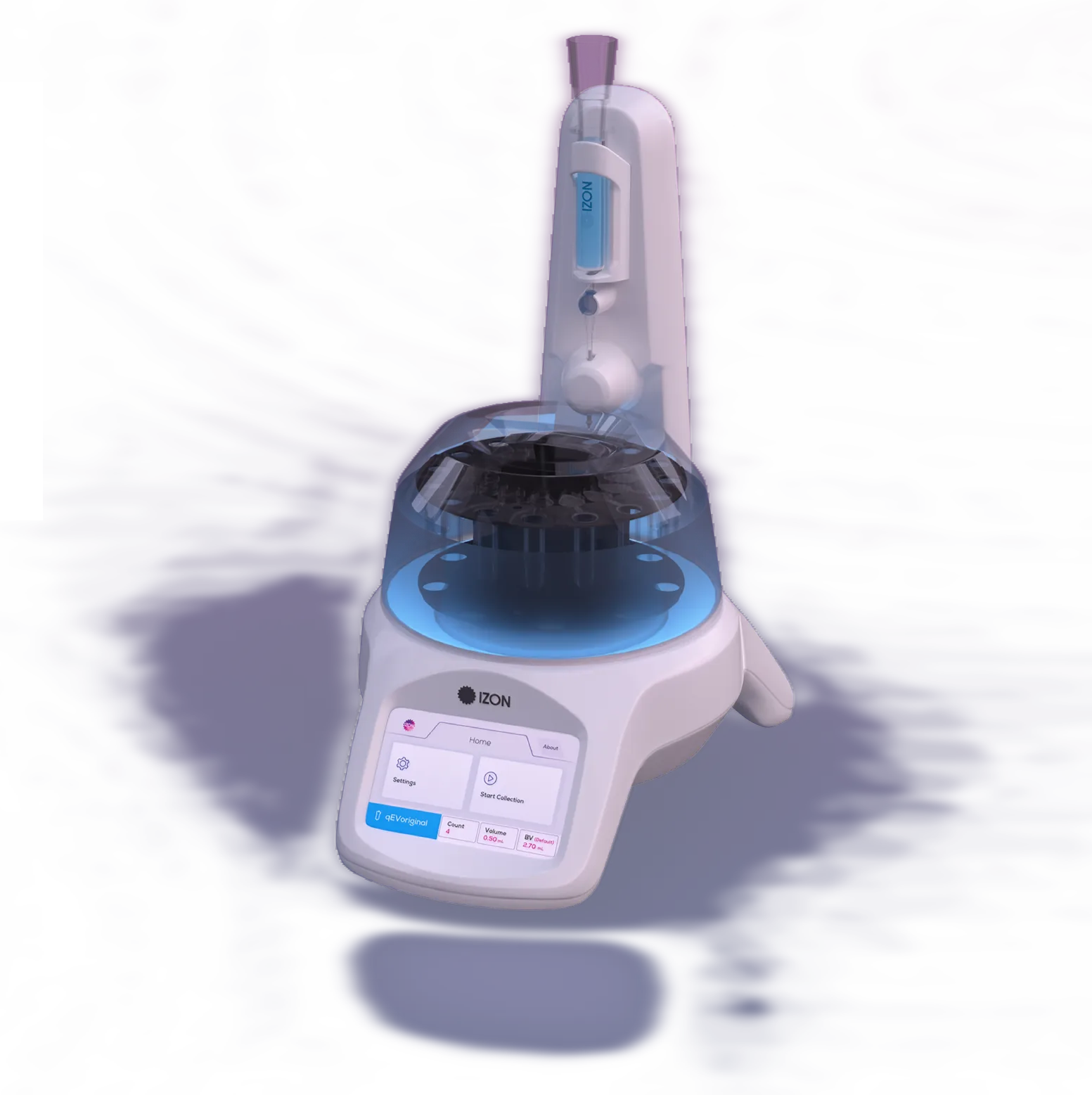
Tune and test your collection parameters with the Automatic Fraction Collector. Automated, reproducible isolation for routine laboratory use.
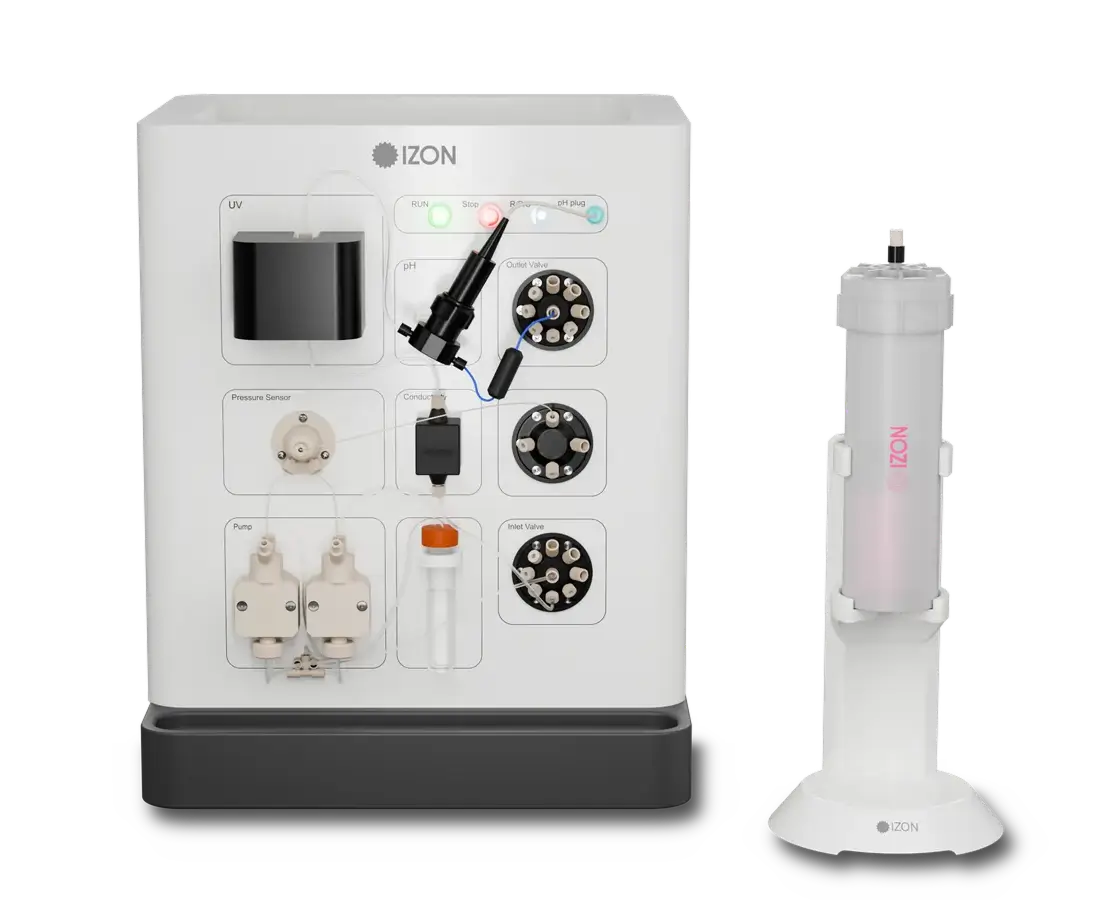
qEV Zenco
SCALE BY VOLUME
Your automated chromatography system for purifying samples from the qEV2, qEV10, qEV100 and larger customised columns.
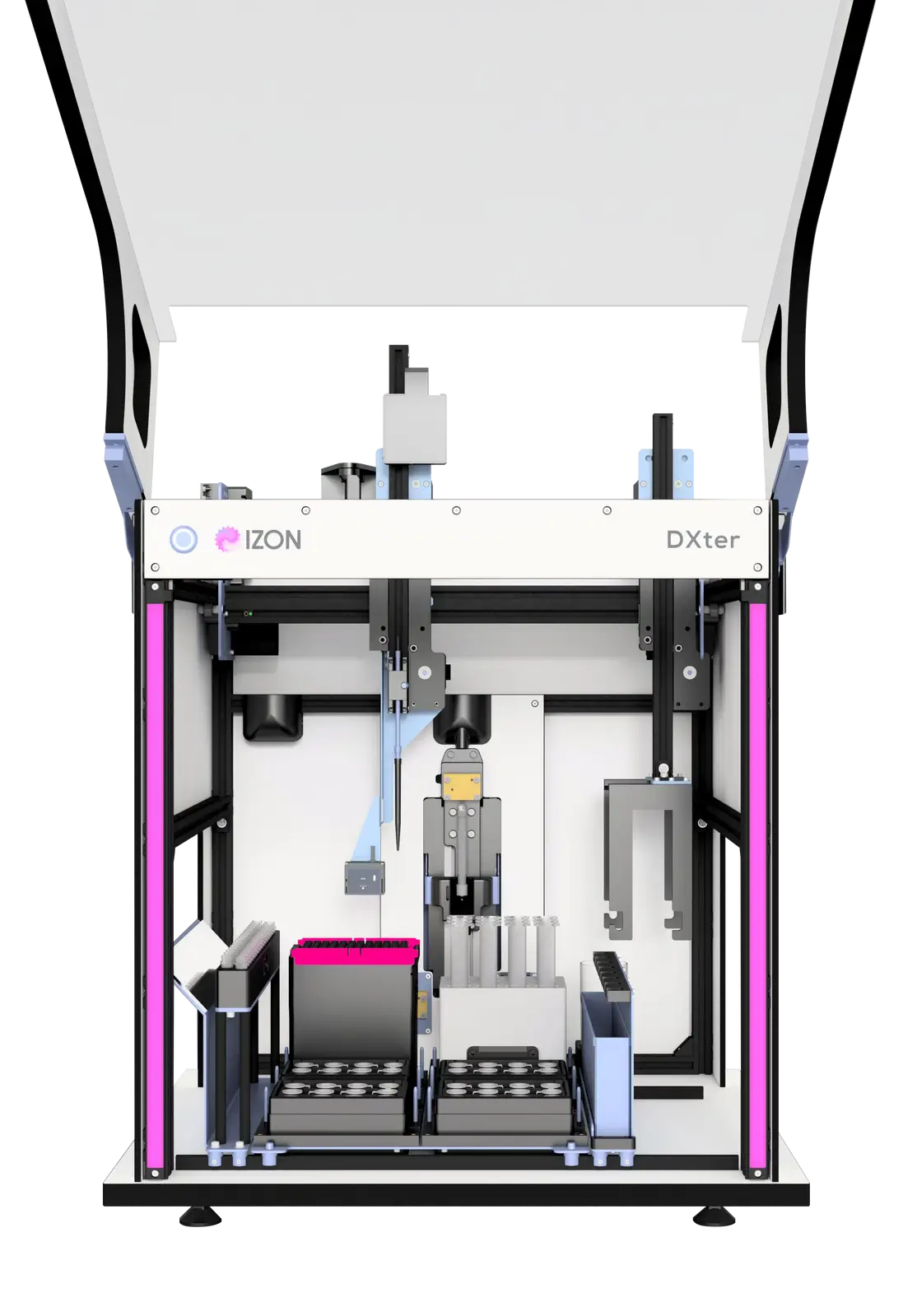
DXter
SCALE BY SAMPLE NUMBER
A robotic liquid handler for processing 24 samples in parallel. Fast-track processing, while keeping your qEV workflow compact and configurable.
Fast-Track Development With Expert Support at Every Stage
We've done the groundwork, so you don't have to. Our isolation refinement expertise – including single-particle measurement capabilities for assessing elution profiles – gives your workflow development a major headstart.
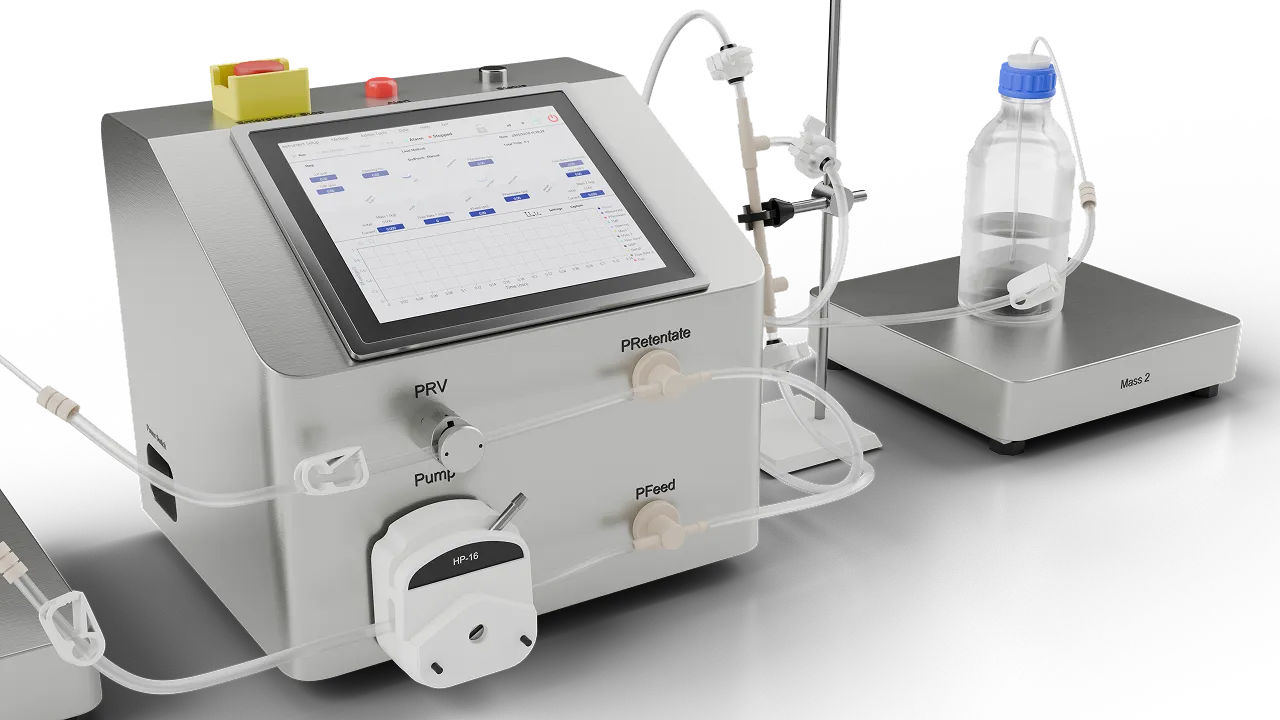
As your needs evolve, our bioprocessing team is ready to support you, whether through customised GMP-ready solutions, pilot studies for refining SEC-TFF workflows, or beyond.
No Sample Left Behind
Science doesn't come in one size. Neither do our columns.
Whether you're working with precious microlitres or running industrial scale pilot studies, our qEV column range has you covered. From 150 µL to 100 mL and well into industrial scale, there's a column for every challenge.

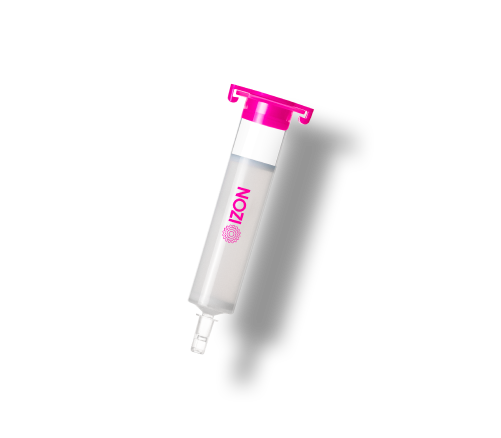


Stated sample loading is the recommended volume for highest purity. All columns are reusable up to five times.
A Workflow for Every Application
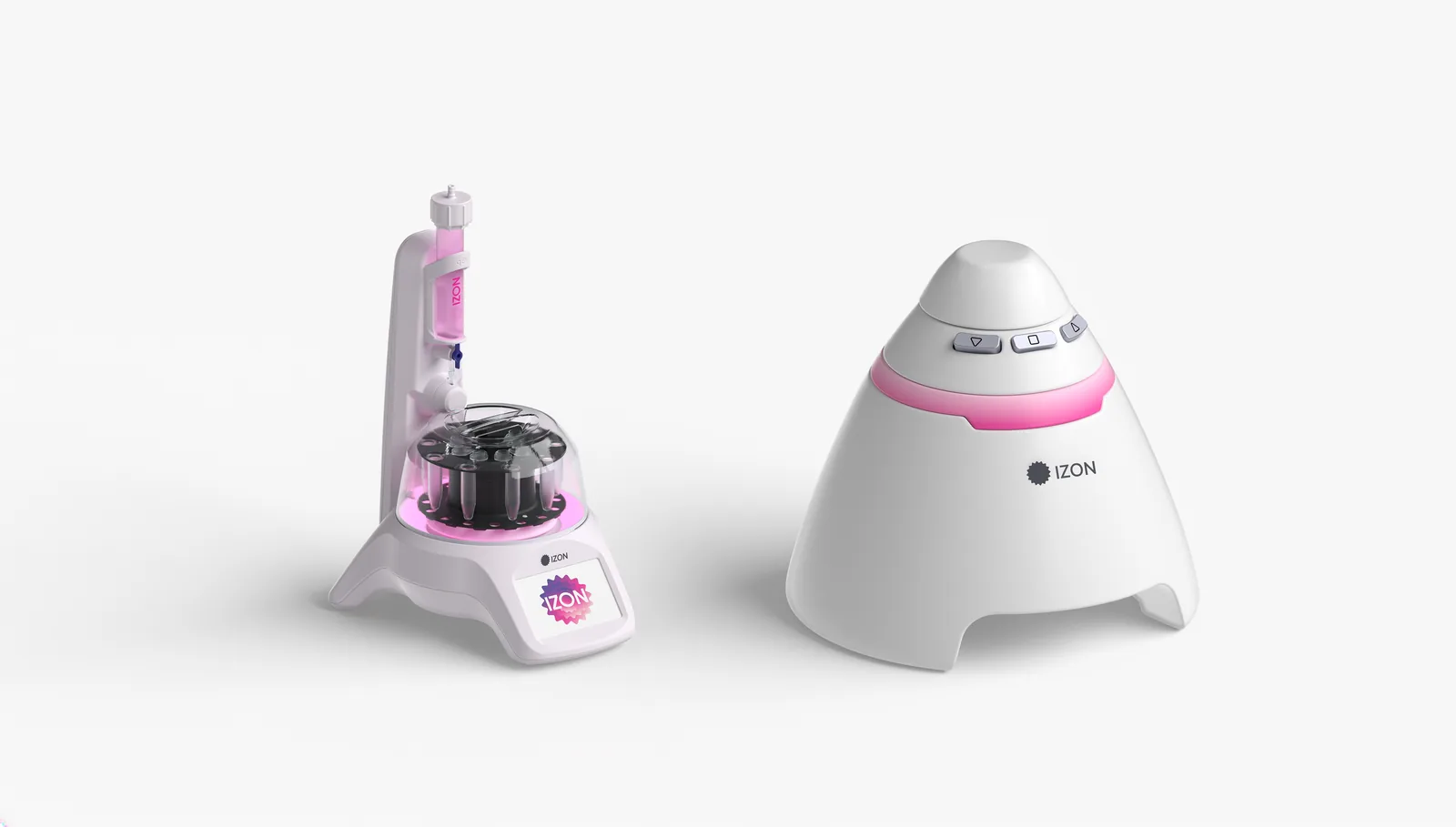
General Research
Work with the purest EVs possible as you unravel their fate, function, and uptake, and explore strategies for clinical applications. The qEV Isolation platform delivers the reproducibility your research demands, from first isolation to final publication.
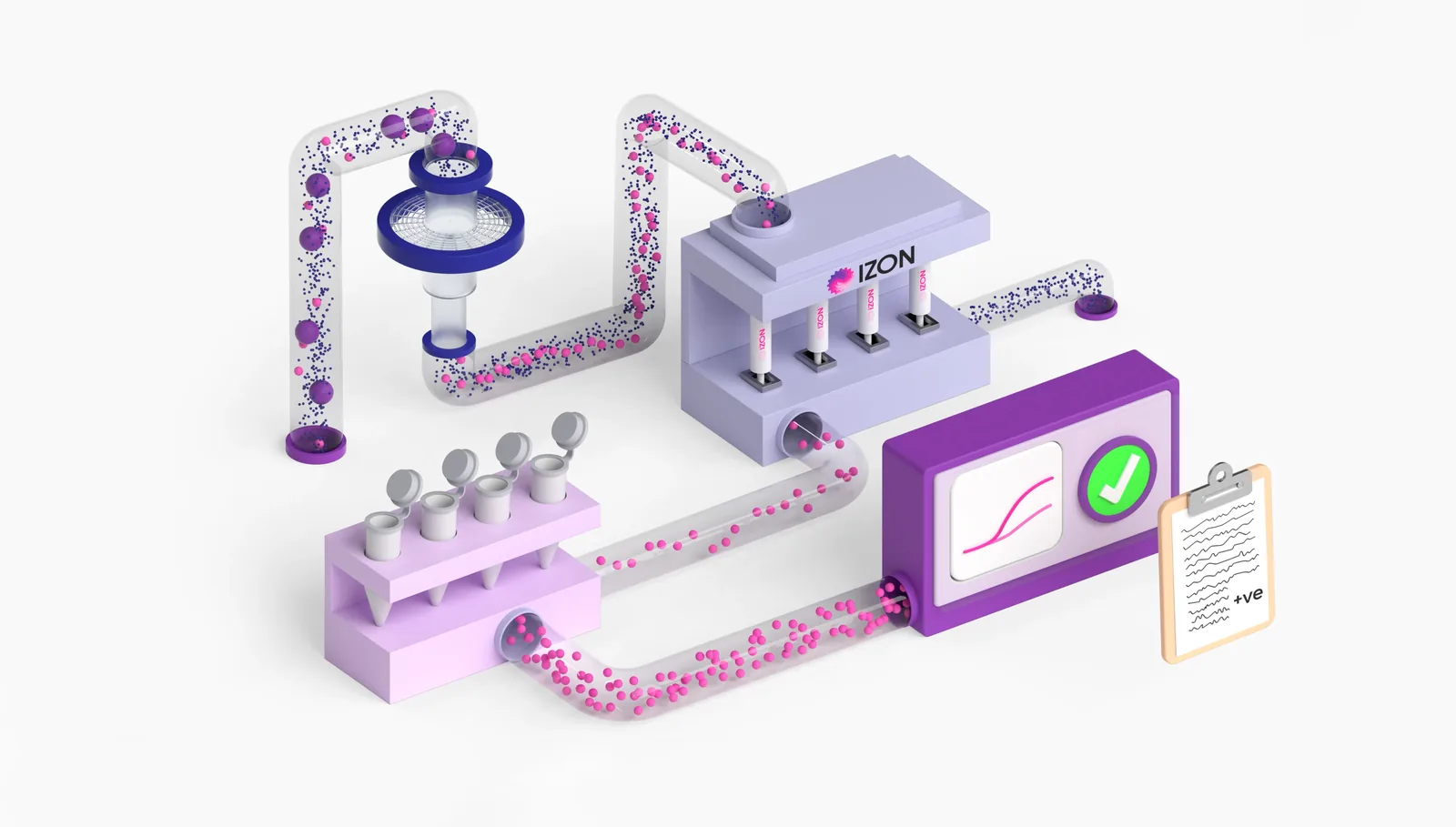
EV Diagnostics
Advance towards clinical validation without building a scaled workflow from scratch. Robotic liquid handling, bulk order discounts, cGMP-ready columns, and ISO 13485:2016 certification mean you can focus on the science, not the logistics.
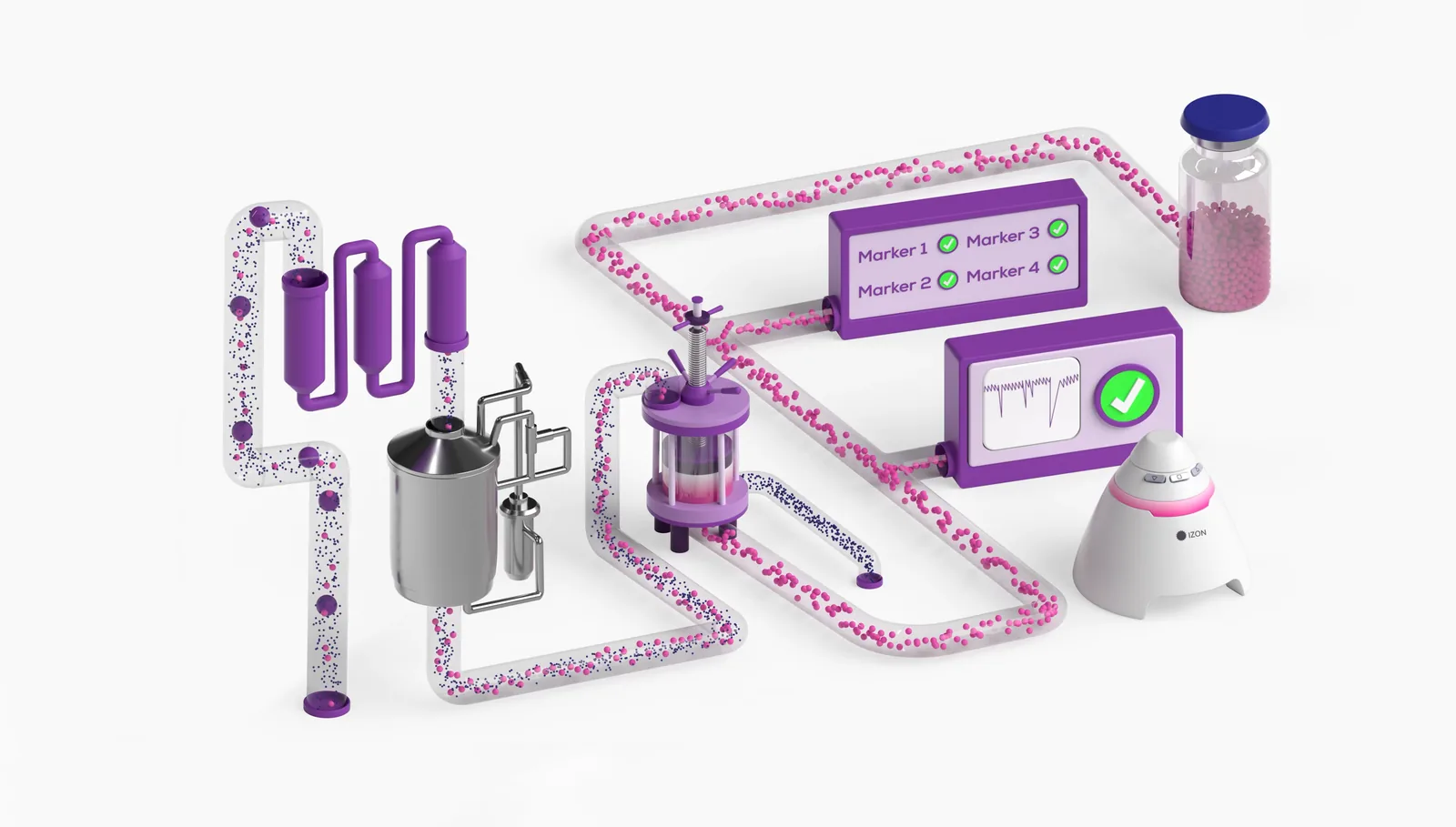
Bioprocessing
Scale EV therapeutic and LNP production with confidence — from pilot study to cGMP-ready manufacturing. With custom column builds, automation, tangential flow filtration and 30+ years of bioprocessing expertise, the qEV Isolation platform is built for the full bioprocessing journey.
In Our Customers' Words
“We required a concentrated, high-quality EV isolate for our in vivo animal studies, which we believe could be the foundation for future human translational work. The team optimized the process and purified the sample we provided, enabling us to proceed quickly to the next phase of our research. We are excited and look forward to leveraging Izon’s expertise to scale up the process for future clinical studies. Their collaborative support throughout this project has been invaluable, and I cannot thank them enough.”

"Izon’s qEV columns offer a simple, effective and reproducible way of purifying EVs directly from biofluids or from EV enriched samples following differential centrifugation. During my PhD at Queensland University of Technology we used qEVoriginal columns (70 nm) for all of our EV preps from plasma and milk samples, prior to mass spectrometry-based proteomics and microRNA sequencing. Our group produced over 10 publications using these columns and continues to be satisfied with the results. I would highly recommend incorporating qEV columns as part of the EV enrichment workflow for any researchers struggling with EV yield and purity."
Start a Conversation About Your Research
Resources
The following qEV columns can be used with the AFC: qEVsingle, qEVoriginal, qEV1, qEV2 and qEV10. The qEV100 and larger customised qEV columns are not AFC-compatible.
Most ‘raw’ samples cannot be directly run on qEV columns without prior preparation steps to remove large particulate matter. qEV user manuals provide recommendations on how to prepare your sample appropriately.
Yes, we have a range of technical and application notes available at the Izon Support Centre; you can also browse our website for deep-dives into special considerations for the isolation of EVs from blood (including guidance on which anticoagulant to use) urine, CSF, and reproductive tract fluids.
The type you choose will depend on the sensitivity required for your application. We recommend a chromogenic protein assay for protein quantification, such as a Bradford, Lowry or BCA assay.
Load the column with PBS containing a bactericide or bacteriostatic agent (e.g., 0.05% w/v sodium azide or 0.05% ProClin 200), or 20% ethanol. Column cleaning and storage instructions are provided in qEV User Manuals.