Precision. Accuracy. Integrity.
Izon Science brings precision and reproducibility to the world of nanoparticle separation and analysis for biological research and nanomedicine development.
The qEV isolation platform is the trusted method for isolating extracellular vesicles (EVs), a critical step for biomarker discovery and validation, EV research, and therapeutic development. With advancements in automation and support from bioprocessing specialists, the qEV platform now supports broader applications beyond EV research.
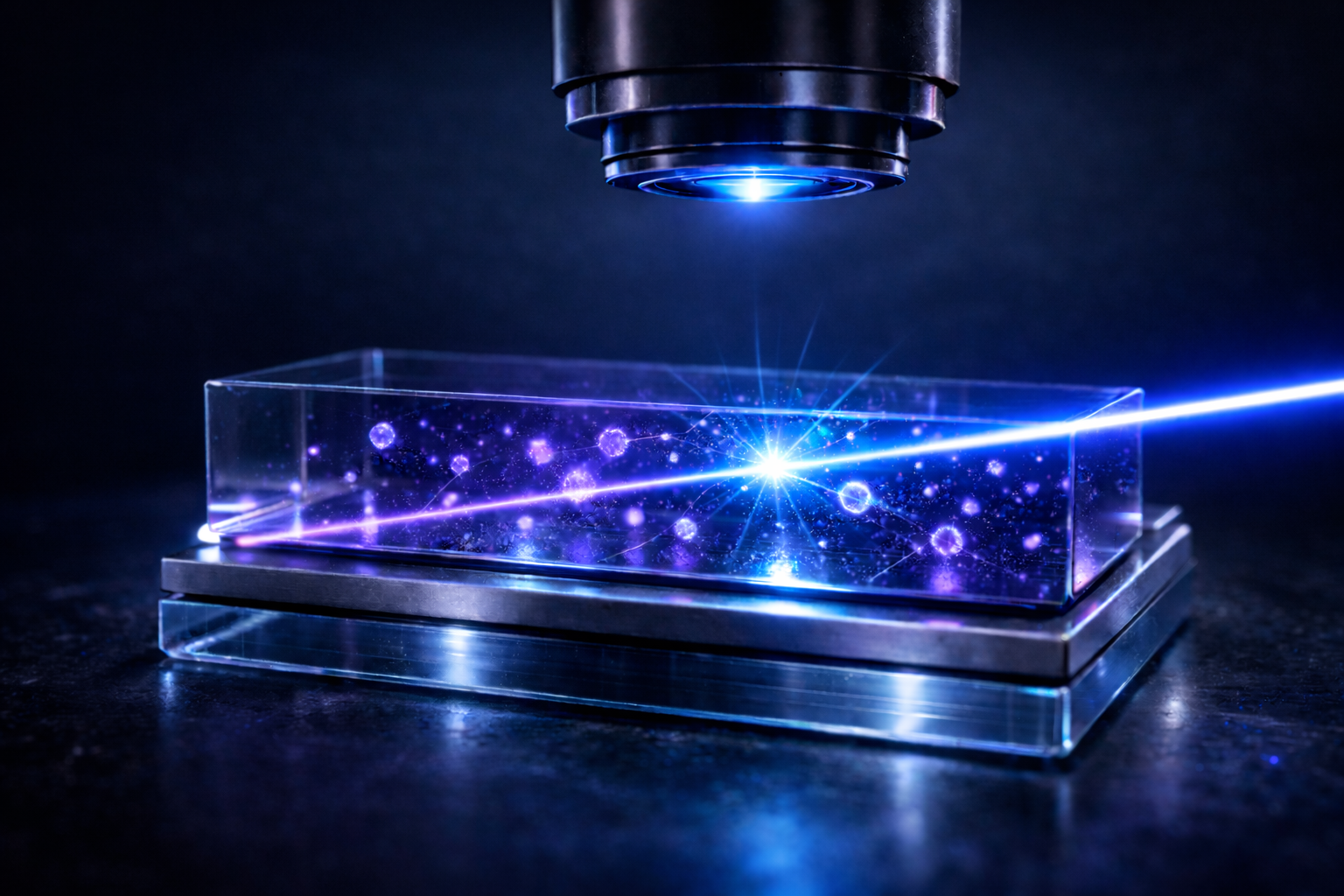
Izon’s tunable resistive pulse sensing (TRPS) measurement system provides high-resolution insights into the physical characteristic of lipid nanoparticles, EVs, virus-like particles, and other nano-sized particles used in nanomedicine development.

Years in business
Publications featuring Izon's technology
Organisations using Izon's technology
Our Story
Founded in New Zealand in 2005, Izon Science took its name in 2008, focusing its mission on becoming a global leader at the intersection of nanotechnology and biology. Under the leadership of CEO and co-founder Hans van der Voorn, Izon grew its team, expertise and product range in nanoparticle separation and analysis.
Izon’s developments extend further, offering solutions such as liquid handling systems for high-throughput nanoparticle purification, customised qEV columns for industrial-scale processing, and automated chromatography units, including those designed for cGMP-compliant environments. These advancements reflect Izon’s commitment to delivering precise, scalable solutions for diagnostic and therapeutic applications worldwide.
Company Milestones


Our Philosophy
Izon's philosophy is based on four core principles:
Customers are Partners
Growing alongside customers while getting to the heart of what they need. We strive for long-lasting relationships to help you realise your potential.
Continuous Innovation
Strong on development. Tackling the big projects, while embracing continual improvement.
Impact
Partnering with researchers to unlock the potential of the nano-world.
Integrity
Committed to doing the right thing. We value scientific correctness, accountability, and respect.
Quality Management
Izon’s headquarters and manufacturing facility in Christchurch, New Zealand, operates under a Quality Management System (QMS) certified to ISO 13485:2016. The QMS provides a structure for excellence in product design and development, manufacturing quality, customer support, and on-time delivery, while reducing non-value-adding cost.

Our Offices and Distributors

Our Offices
2 Show Place
Addington
Christchurch 8024
New Zealand
PO Box 9292
Tower Junction
Phone: +64 3 357 4270
East Coast Location
196 Boston Ave
Suite 3900
Medford
MA 02155
Phone: +1-617-945-5936
Southern Location
4900 Fournace Pl
Suite 600
Bellarie
TX 77401
Phone: +713-349-4606
Our Distributors
EnquireAt Izon Science, we directly distribute our products in most countries. However, we do collaborate with several distributors around the world as listed below. If there is no distributor listed for your country/region please enquire, and one of the Izon team will be able to assist.