qEV Isolation Critical to EV Phenotypic Analysis via F-NTA
Australian researchers incorporate qEV Isolation to reduce the background noise of F-NTA, enabling better phenotypic analysis of EVs.
Read more

Keep up with the latest Extracellular Vesicle, Virus and Nanomedicine news and research publications.

Australian researchers incorporate qEV Isolation to reduce the background noise of F-NTA, enabling better phenotypic analysis of EVs.
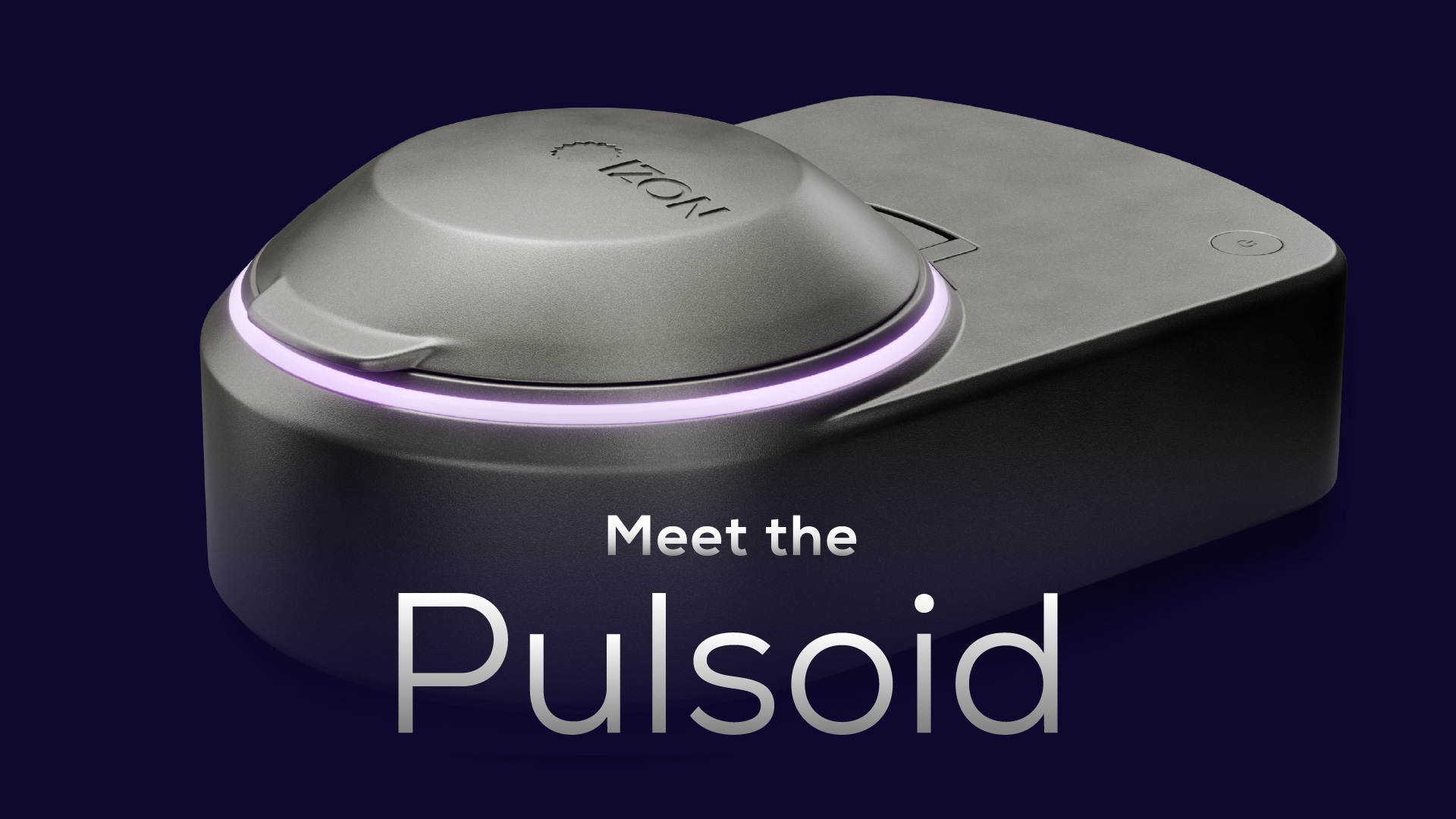

The Pulsoid marks the start of a new era in nanoparticle characterisation, combining high-resolution, single-particle analysis with a fast, easy-to-use workflow.
What are defective interfering particles? Are they a help or hindrance to vaccine production and therapeutic opportunities? And how are they measured?
It’s been another fascinating year for extracellular vesicle (EV) research. Here’s our pick of highlights from the second half of 2025.
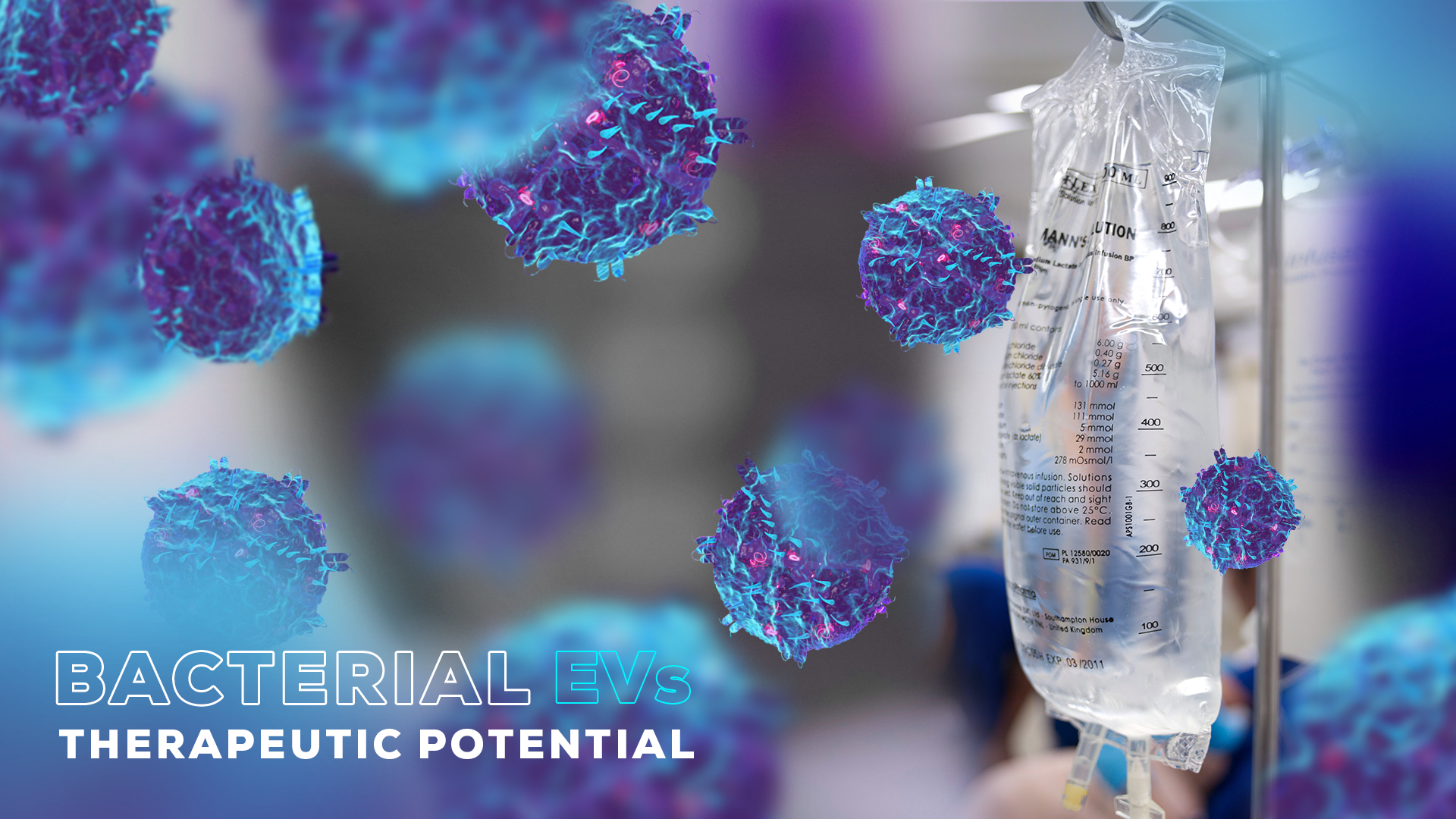
Bacterial EVs are often associated with antimicrobial resistance, yet these very mechanisms may also make them powerful tools for therapeutic development.

Explore the integral role of bacterial extracellular vesicles in the rise of resistance and resilient biofilms.
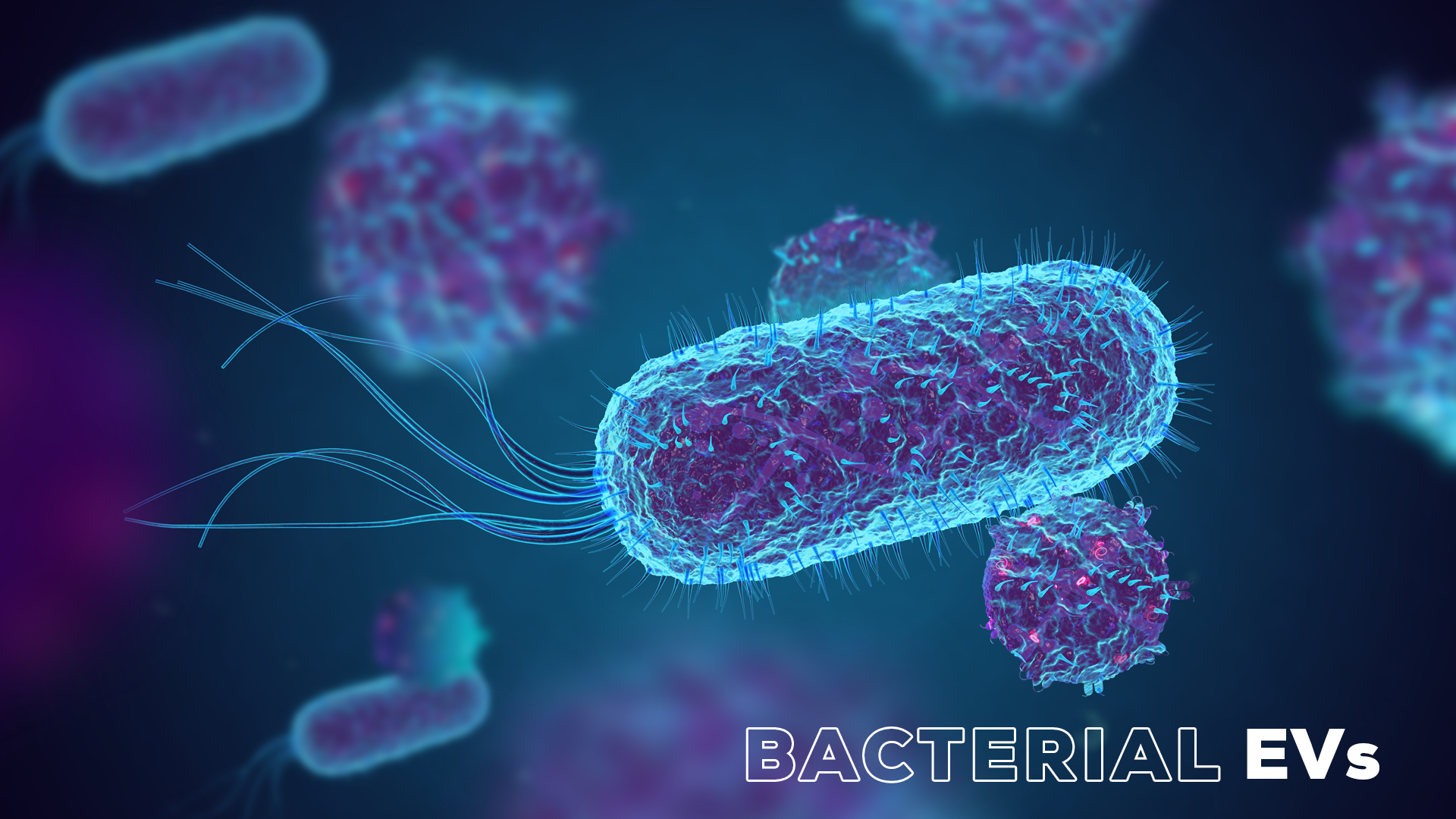
Explore the dual roles of bacterial extracellular vesicles (BEVs) - from mediating pathogenesis to offering novel therapeutic opportunities.

It’s well over halfway through 2025 already! Here’s a roundup of some of the papers you’ve published so far this year.
Extracellular vesicles (EVs) are making their mark in human medicine - now, they’re showing promise in veterinary care too.
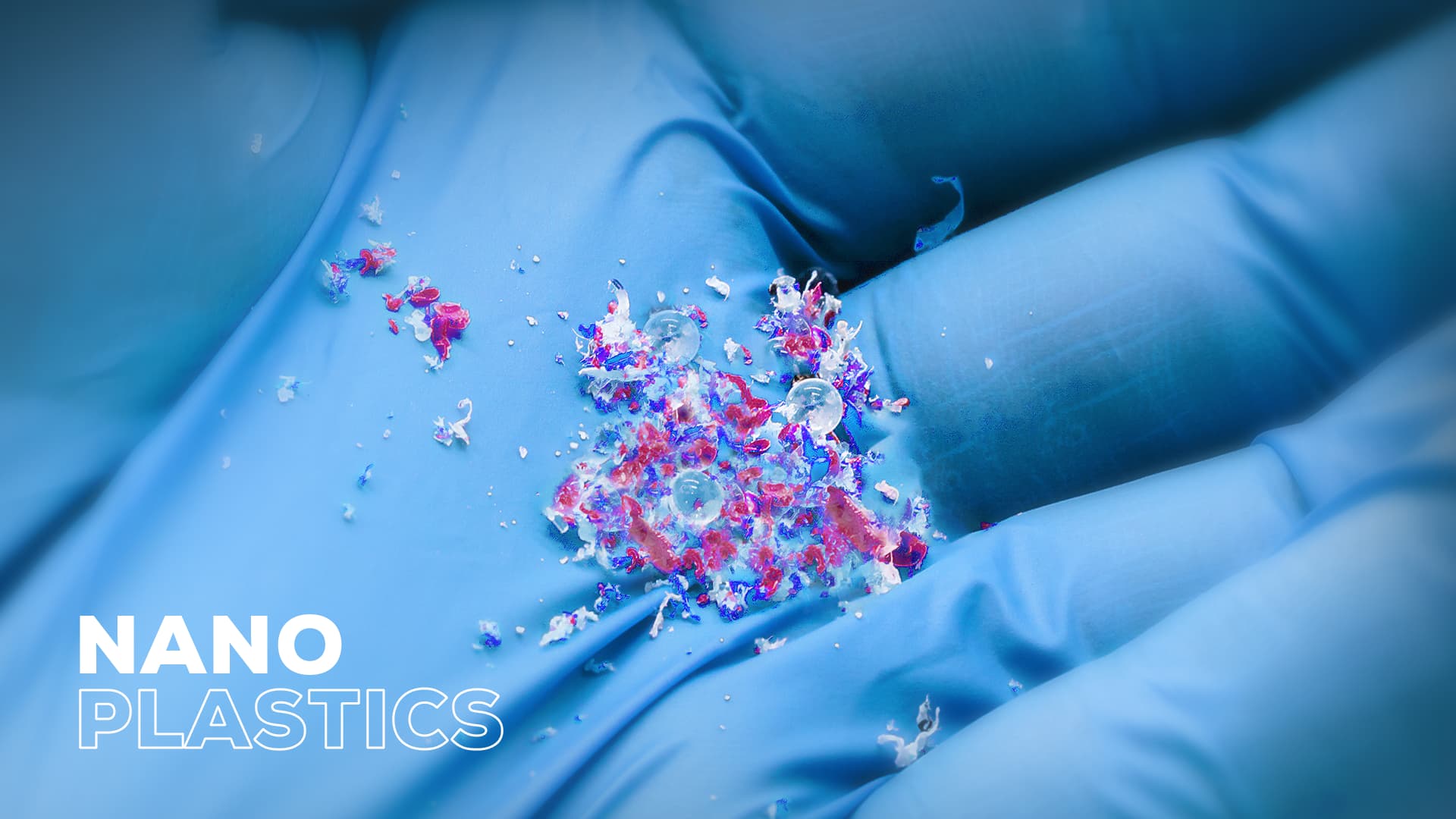
Nanoplastics are tiny plastic particles invisible to the naked eye — but their impact on ecosystems and human health may be anything but small. As research into micro- and nanoplastic contamination increases, tunable resistive pulse sensing (TRPS) is emerging as a powerful method to characterise these elusive pollutants.
Biobanks offer a rich resource for EV research - but are the samples suitable? Explore the practicalities of using biobanked plasma for EV isolation, with a focus on real-world compatibility, sample volume, and storage impact.

Become familiar with SEC+ and the distinct advantages our Gen 2 resin offers over traditional SEC resins, including our discontinued Sepharose-based Legacy columns.

A selection of publications from 2024, demonstrating a range of applications and high-quality performance for Izon’s qEV isolation technology.

Early diagnosis of ovarian cancer remains a challenge, but what if the answer lies in the smallest of clues?

Don't let the name mislead you, EVs are not the only nanoparticle qEV columns can purify from a sample. Liposomes and lipid nanoparticles (LNP) can be isolated, too.

EV-AAVs (sometimes known as exo-AAVs) offer enhanced gene therapy potential over solo-AAVs, thanks to improved transduction and targeted delivery. Obtaining highly purified EV-AAVs is crucial, with size-exclusion chromatography (SEC) proving to be a scalable and effective method for isolation.

Unlock the potential of extracellular vesicles for therapeutics with a scalable isolation method that combines tangential flow filtration and qEV columns for optimal efficiency.

What is zeta potential, and how are zeta potential measurements shaping nanomedicine developments?

Catch up on the latest developments in qEV isolation designed to boost scalability in EV isolation across the diverse EV field.

Albumin is a contaminant of extracellular vesicle isolates, right? New research suggests that it may actually be part of the extracellular vesicle corona.

Check out some of the latest research employing qEV columns! A roundup of 10 articles making waves in the EV space.

Let's take a look at the 80-year history of the Coulter counter – the founding principle of TRPS.

Looking for an effective and reliable way to isolate EVs? Consider the AFC – coupled with qEV columns. A combo that is sure to up your EV isolation game.

Everything you need to know about MISEV2023 and how to meet it when publishing your qEV research.

Findings from five recent studies utilising the qEV10 column's benefits for important medical research.

Looking for a versatile tool to add to your research facility’s repertoire? The Exoid has you covered.

Diehl et al., (2023) describe a standardised EV workflow using qEV isolation and TRPS to streamline EV isolation and characterisation protocols.

A wrap-up of publications featuring Tunable Resistive Pulse Sensing technology in Q4 of 2023.

A snapshot of publications built on qEV isolation technology, from the final quarter of 2023.

The qEV100 is used to isolate extracellular vesicles (EVs) from large sample volumes. How does this size exclusion chromatography column stack up against ultracentrifugation?

Introducing the new qEV 20 nm Series, allowing you branch even further into the small end of the size spectrum and isolate more small particles than ever before.

A new Exoid update is here and it is making the measurement of small particles easier and more accurate than ever before.

The International Organization for Standardization has created an ISO standard for Tunable Resistive Pulse Sensing measurement of particle size distribution.

Read about the role of qEV columns in recent stem cell EV discoveries.

A new tier of columns is now available: GMP-ready qEV columns.

If you want the purest EV isolate which qEV column should you pick?

A deep dive into the approaches, considerations and pitfalls of labelling EVs.

You know about extracellular vesicles, sure, but what about the new kids on the block? Exomeres and supermeres are here, and they are making a splash in the world of intercellular communication.

Tunable Resistive Pulse Sensing excels as a method for analysing size, zeta potential and stability of nanomedicines.

What does the future of extracellular vesicle isolation have in store, and how is Izon working towards that? Technology Networks speaks to Hans van der Voorn, CEO at Izon Science.

What lipid nanoparticle measurement data can you get using the Exoid? Let’s find out.

When it comes to yield, purity, expense and time commitment, does size exclusion chromatography or precipitation take the crown for EV isolation?

A brief roundup of findings from 5 studies published in Q2 of 2023 which featured Tunable Resistive Pulse Sensing measurements.

Of the articles featuring qEV Isolation published between April and June 2023, here are 10 that caught our attention.

Whatever the end goal of your large-scale EV production, the Exoid can help keep you on track.

When it comes to measuring particle size in the field of nanomedicine, how do TRPS and DLS compare?

A summary of work by Martinelli et al. (2020) who describe the production of extracellular vesicle (EV)-inspired nanoparticles for drug delivery, and used Tunable Resistive Pulse Sensing to characterise the vesicles.

The future of extracellular vesicle isolation for therapeutics and diagnostics is here.

How can you be sure that the active ingredient in your extracellular vesicle therapeutic is actually in extracellular vesicles?

From Arabidopsis thaliana to red cabbage, the field of plant EV (and EV-like nanoparticle) research is a fast-changing world of basic biology and therapeutics. So why is methodology stuck in the past?

When your research relies on knowing the absolute size of the particles, accuracy is essential. Learn how the Exoid is providing high precision data to improve our understanding of particle behaviour.

The collaborative agreement between Izon Science and ABT offers exceptional opportunities to develop solutions that aid in advancing EV research into clinical settings.

In studies exploring new EV-based diagnostics, therapeutics, and mechanisms of pathogenesis, Tunable Resistive Pulse Sensing (TRPS) publications have hit the ground running in Q1 of 2023.

A summary of work by Hisey et al. (2022) who made a huge leap forward in EV production capacity via the use of flask-based bioreactors.

Tangential flow filtration versus ultracentrifugation… which one wins the prize as the best method for preconcentrating samples prior to SEC.. and how exactly do these methods compare?

The Gen 2 qEV range provides a strong foundation for extracellular vesicle isolation, paving the way towards a future where EVs shape clinical decisions and health outcomes. Here, we share an overview and key resources related to qEV Gen 2 columns.

Struggling with Western blots for extracellular vesicles? This guide will help lead you through the process and its pitfalls.

When it comes to EV isolation for cancer diagnostics, picking the right methodology could be the difference between succeeding in diagnostics versus failing to achieve sufficient specificity and sensitivity. With qEV columns excelling in purity, your biomarker has a stronger chance at standing out amongst the background noise.

Regulations in nanomedicine are lacking, with no global consensus on definitions and a lack of clarity around which attributes are critical to safety. However, some initiatives and guidelines are in place which may provide indications of what to expect in the future.

From protocols for enriching EVs from complex samples via qEV Gen 2, to understanding the role of bacterial EVs in Alzheimer's disease – and everything in-between. Here are 10 articles which highlight the use of the qEV platform for EV isolation across EV research.

Using qEV columns to determine cargo truly associated with extracellular vesicles and evaluate its biomarker potential in breast cancer: a summary of work by Tkach et al 2022.

Tunable Resistive Pulse Sensing (TRPS) is a versatile analytical technique used to characterise a broad range of nanoparticles used in therapeutic development.

The Exoid is yet to reach its second birthday, yet it has already appeared in a number of impressive research articles. Here are our top 3 extracellular vesicle studies featuring the Exoid to date.

Vogel et al. 2017 describe improvements in nanoparticle zeta potential measurements by Tunable Resistive Pulse Sensing (TRPS).

Has changing your isolation method changed your EV isolate bioactivity? Or perhaps even their cargo or markers? Here’s why.

The Exoid is a highly accurate, highly tunable device which measures single particles in real time for size, concentration and zeta potential. But don’t just take our word for it. We have the data to back it up.

The qEV2 Gen 2 column is the sixth column to join the Gen 2 range; launched on 17th Jan 2023.

100-packs now available for those looking to buy qEVoriginal Gen 2 columns in bulk.

Tunable Resistive Pulse Sensing (TRPS) publication watch: Q4 2022

When is an extracellular vesicle an exosome? Turns out, probably less often than you think. Here we delve into EV subtypes and the (lack of) markers to tell them apart.

The qEV publication watch Q4 2022 wraps up recent research articles using the qEV platform.

Urine is a rich source of EV biomarkers, yet methodology lags behind modern, standardised technology. New studies show size exclusion chromatography as the way forward.

A summary of work by Chiang et al. 2022, feat. qEV and TRPS for studying OMVs from a nosocomial bacterial pathogen.

In conversation with Michiel Pegtel, Principal Investigator at Amsterdam UMC and co-founder of Exbiome, about extracellular vesicle isolation, diagnostics, and EV-miRNA biomarker development.

World Prematurity Day is recognised on November 17 to raise awareness of the challenges of preterm birth. What role might extracellular vesicles play in this space?

Preeclampsia is a major contributor to premature birth. How might extracellular vesicles play a role in pathogenesis, prediction, and treatment?

Breaking it down: why choose qEV columns for extracellular vesicle isolation?

The internal reproductive tract is a potential treasure trove of EVs for fields from assistive reproductive technologies to virology. In this article we discuss it all, from isolation to application.

Synovial fluid is a highly viscous biofluid containing immune cell-derived extracellular vesicles which could prove key to arthritides, but how should you isolate them? And what is already known about them?

Publications featuring Tunable Resistive Pulse Sensing (TRPS) from Q3, 2022.

A comparison of 5 isolation methods for milk extracellular vesicles: a summary of the findings of Morozumi et al. 2021.

The qEV isolation platform continues to contribute to high quality research, as seen in publications from Q3 2022.

Cerebrospinal Fluid presents unique challenges for EV isolation, which has been reflected in a lack of reproducibility in research.

Isolation of brain derived EVs from the circulation and the cerebrospinal fluid is important in the search for biomarkers for neurological diseases. However, the long-held marker, L1CAM, has recently been called into question. Here we discuss the evidence for and against L1CAM as a marker of neuronal EVs.

The methods you use for blood collection and processing will impact on the EVs that end up in your isolated sample. Here we discuss the evidence to help you make the right decisions for your research.

Size exclusion chromatography is a gentle method for isolating pure, intact and functionally active extracellular vesicles. Here we discuss the pros and cons of SEC and other EV isolation techniques.

Interested in using the qEV10 in your research? Here we highlight some of the best examples of research using qEV10 columns published to date.

Isolation, function, and potential future uses of extracellular vesicles derived from milk – a complex and commonly overlooked biofluid.

The qEV Gen 2 range just got bigger: qEV100 joins the Gen 2 range.

qEV isolation continues to enable diverse studies on extracellular vesicles.

Reflecting on the discovery, open questions and potential applications of microRNA, and microRNA derived from extracellular vesicles.

In a systematic study by Gelibter et al (2022), TRPS provides a new insight into the effect of extracellular vesicle storage conditions.

The qEV isolation platform continues to play a key role in EV research, as seen in publications from Q1 2022.

As the Izon team gears up for this year’s ISEV Annual Meeting, we look back on #ISEV2021


.svg)


-Size_-Approaches-and-Implications-for-Nanomedicine-YouTube.png)
.png)


.png)

.png)
.png)


